Most couples planning a wedding in Eastern Ontario want the same thing: an outdoor ceremony with the trees, the light, and the sky for the vows, followed by an indoor reception that can hold a real dinner without depending on the weather. The challenge is finding a venue that does both well, in one place, without a half-hour drive between sites.
The category of one-location wedding venues with both outdoor ceremony space and indoor reception capacity is smaller than the listings suggest. Most venues do one of the two well and the other adequately. The venues that do both at the same standard are the ones worth a site visit.
Why one-location weddings work better
Two-venue weddings — ceremony at one place, reception at another — were the norm a generation ago, when ceremonies were typically held at a church and receptions at a hall. They still happen, particularly when religious tradition shapes the ceremony location. But for couples without that constraint, one-location weddings have become the default for three practical reasons.
The timeline runs cleaner. A two-venue wedding loses 30 to 60 minutes to transit between the ceremony and the reception. That gap is the most stressful part of the day for the couple and the photographer, and it creates a logistical hole guests have to fill with their own plans. One-location weddings replace that gap with a cocktail hour that flows naturally from the ceremony.
The photographer has more time and better light. Without transit between venues, the photographer has another 45 minutes for portraits and details. Most couples don’t realise how much wedding photography quality depends on that extra time until they look at the album.
The cost runs lower. Two venues means two rental fees, two coordination teams, two setups, and double transportation for the wedding party. One-location weddings consolidate all of that.
What outdoor ceremony, indoor reception venues need to do well
A venue claiming to handle both is doing two distinct jobs. The outdoor ceremony space and the indoor reception space have to work independently, and the transition between them has to be managed.
The outdoor ceremony space needs:
A defined ceremony location with an aisle, a clear vantage for the officiant, and a backdrop that photographs well
Seating for the full guest count without folding chairs jammed at every angle
Shade or a contingency for hot afternoons in July and August
Sound capable of carrying vows to the back row without a wireless mic feeding back
A clear path for the wedding party entrance and recessional
The indoor reception space needs:
Capacity for the full guest count seated at round tables with a dance floor and head table
A working catering kitchen for plated dinners and bar service
AV for speeches, music, and any video elements
Washrooms scaled to the guest count
A bar setup that doesn’t create a queue across the dance floor
The transition between the two is what separates good venues from forgettable ones. The flow most wedding planners aim for: ceremony outside, guests move to a cocktail-hour location (either outdoors or in a separate indoor space), and during that hour the reception room is set or flipped. Guests then move into the reception room for dinner.
The hour-long flip is the operational moment that makes or breaks the day’s pacing. Ask the venue how it’s managed: who sets the tables, where guests go during the flip, and what happens if the cocktail-hour space is also outdoors and the weather turns.
The weather contingency
An outdoor ceremony is a calculated risk in Ontario. The risk is manageable when the venue has a real indoor backup — a space the entire ceremony can move into with twenty minutes’ notice, seated, with the officiant audible, with photography vantages preserved.
What doesn’t count as a backup: a tent that needs to be installed the day of, a corner of the reception room with the dinner setup already in place, or a room that holds the guest count standing but not seated. Always ask to see the backup space during a site visit, and ask specifically how long the call window is for activating it.
Capacity matched across both spaces
A common mismatch: outdoor ceremony space that fits 200 guests, indoor reception space that fits 120. The venue is technically capable of hosting either, but not both for the same wedding. Always confirm that the outdoor ceremony capacity matches the indoor reception capacity for the configuration you want (full dinner with dance floor, not just dinner).
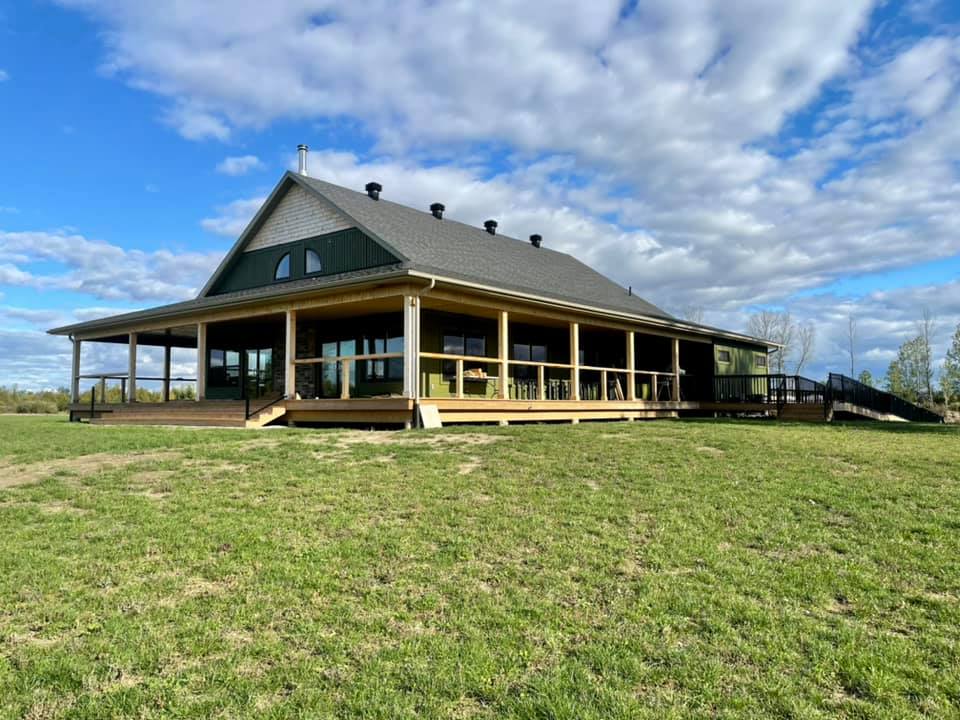
For one-location wedding venues near Ottawa, the practical capacity range for outdoor-to-indoor wedding flow sits between 60 and 150 guests. See wedding hosting at Oakfield Park.
Frequently asked questions
Can you have an outdoor ceremony and indoor reception at the same venue?
Yes. Most couples planning a wedding in the Ottawa region prefer one-location venues for exactly this configuration: outdoor ceremony space for the vows, indoor reception space for dinner and dancing. The venue needs both elements at matched capacity, plus a transition plan between them and a weather backup for the ceremony. Ask about the flow specifically during a site visit.
What’s the rain plan at an outdoor ceremony venue?
A real rain plan is an indoor space that can hold the full ceremony — seated, with sightlines to the officiant and the couple — with no more than twenty minutes’ setup notice. Tents, the reception room with the dinner setup pre-placed, and standing-room spaces don’t count. Always ask to see the backup space during the site visit, and ask how the call decision is made and when.
How does the venue manage the transition from ceremony to reception?
The standard flow: ceremony, then a cocktail hour while the reception room is set or flipped, then guests move into the reception. The hour is the operational pressure point — it’s when the room gets dressed, the kitchen finalises service, and the wedding party often steps away for photos. A venue with a dedicated team handling the flip runs this smoothly. A venue that asks the couple to coordinate it usually doesn’t.
What capacity range works best for outdoor ceremony, indoor reception weddings?
In the Ottawa region, the practical sweet spot for one-location weddings with both outdoor ceremony and full-dinner reception sits between 60 and 150 guests. Below 60, the venue feels underused and per-guest costs climb. Above 150, most rural venues hit constraints on either the outdoor ceremony seating or the indoor reception with dance floor configuration.
Booking a site visit
If you’re looking at outdoor-ceremony-and-indoor-reception venues near Ottawa, a site visit is the only reliable way to evaluate whether the venue actually handles both well. Ask to see the ceremony space, the cocktail-hour space, the reception room, and the weather backup — in that order, walking the flow your wedding day would follow.
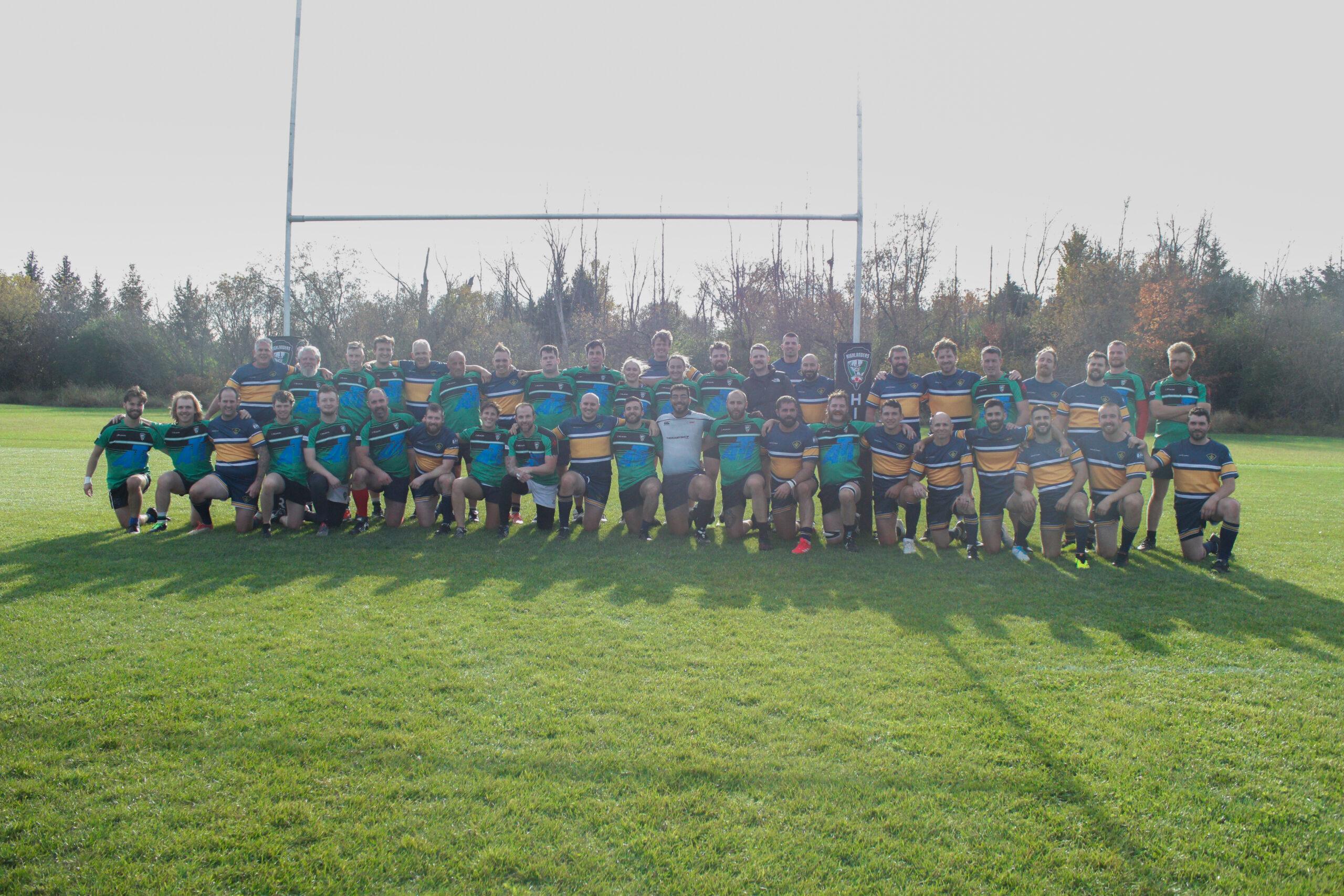
Oakfield Park is a rural event venue and four-pitch rugby ground in Lanark County, about an hour from Ottawa.
It is owned and run by the Lanark Rugby Association, a registered not-for-profit. Every booking funds youth rugby, mentorship, and leadership programming in the county.
Multi-sport field rental near Ottawa for rugby, soccer, flag rugby, and ultimate. How a rugby-grade pitch handles multiple sports and what tournaments need.
Rural celebration venues near Ottawa for milestone birthdays, retirements, anniversaries, and family reunions. What scale, catering, and outdoor flexibility actually need to look like.
To provide the best experiences, we use technologies like cookies to store and/or access device information. Consenting to these technologies will allow us to process data such as browsing behavior or unique IDs on this site. Not consenting or withdrawing consent, may adversely affect certain features and functions.
Functional Always active
The technical storage or access is strictly necessary for the legitimate purpose of enabling the use of a specific service explicitly requested by the subscriber or user, or for the sole purpose of carrying out the transmission of a communication over an electronic communications network.
Preferences
The technical storage or access is necessary for the legitimate purpose of storing preferences that are not requested by the subscriber or user.
Statistics
The technical storage or access that is used exclusively for statistical purposes.The technical storage or access that is used exclusively for anonymous statistical purposes. Without a subpoena, voluntary compliance on the part of your Internet Service Provider, or additional records from a third party, information stored or retrieved for this purpose alone cannot usually be used to identify you.
Marketing
The technical storage or access is required to create user profiles to send advertising, or to track the user on a website or across several websites for similar marketing purposes.