The wrong corporate retreat venue is expensive long before the invoice arrives. People arrive late because the directions were confusing. The Wi-Fi drops in the middle of a strategy session. The “outdoor space” turns out to be a parking lot. Lunch arrives an hour past schedule because the catering came from forty minutes away. By 2 p.m. the team is checking phones and the off-site has quietly turned into a slightly nicer office.
Picking a venue is not a hospitality decision. It’s an operations decision. The criteria below come from what actually distinguishes a working retreat from a polite waste of a day. If you’re evaluating corporate retreat venues near Ottawa — or company retreat options, depending on what your team calls it — this is the order to think in.
Distance and accessibility
The rule most planners come back to: about an hour from the office or the airport. Far enough that the day feels like a break from the workplace. Close enough that nobody bows out because the drive is unreasonable.
Within that radius, the geography splits into three rough regions. South and west sit Lanark County and the Ottawa Valley — rural, low-traffic, plenty of land. Across the river is the Outaouais and Gatineau Park, scenic but tighter on space outside the park itself. East of the city, the inventory thins out fast.
The hour map matters for two reasons most planners miss. First, late arrivals. Someone is always coming from a meeting that ran over, and the more drive time you stack, the more your start slips. Second, evening events. If there’s any chance the agenda includes dinner or a social hour with wine and beer, you need to think about how the team gets home. A venue an hour out by car may be ten minutes off the 416 or it may be the last fifteen kilometres of cottage road. Ask.
The other quiet factor: parking. A working retreat with 30 people and a couple of vendors arriving with equipment needs parking that doesn’t require coordination. If you can’t picture where everyone parks, ask before you book.
Whether your team actually leaves the office
Most corporate retreat venues near Ottawa fail this test on closer inspection. The venue is technically different. The room has a different view. But the energy is the same as a Tuesday meeting because the surroundings are functionally the same — fluorescent lighting, hotel carpet, conference-centre coffee.
A retreat earns the name when the team stops behaving as if they’re at work. That doesn’t happen by accident. It happens when the venue is visibly, structurally different from a workplace: outdoor access at the door, real daylight, a room that looks nothing like the one they sit in every day. The hotel-meeting-room versions of “retreat” almost always lose this.
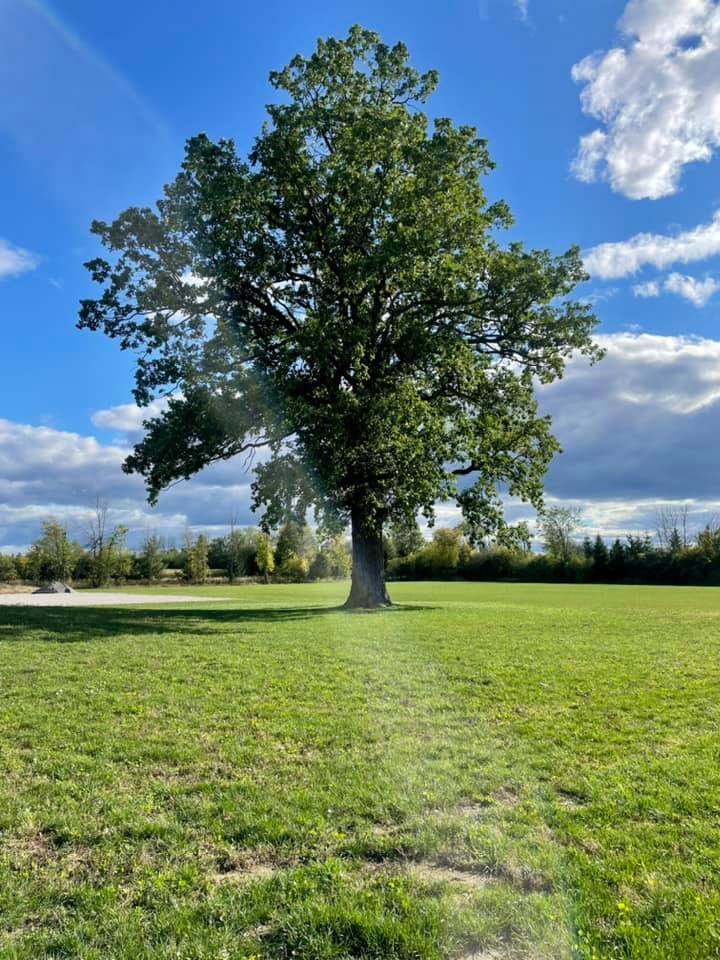
Rural-but-equipped is the strongest version. Open land that’s actually walkable on a break. Indoor space that doesn’t try to mimic an office. A view out the window that isn’t another office building. People let their shoulders drop. The conversation in the room changes within an hour.
This is the criterion most often quietly skipped because it’s hard to evaluate from a website. Site visits matter for exactly this reason. Stand in the room. Walk outside. If after fifteen minutes you don’t feel that you’re somewhere different, your team won’t either.
What corporate retreat venues near Ottawa need on-site
The single biggest determinant of how a retreat day actually runs: how many vendors are involved. Each external supplier — caterer, bar service, AV, equipment rental — is a coordination risk. A retreat with four outside vendors has four ways for the day to slip.
Strong venues usually have the following under one roof:
- A working catering kitchen, so meals come from on-site instead of arriving from a city forty minutes away
- A licensed bar with venue-controlled alcohol service
- AV that works without a technician shadowing the room
- Indoor space configurable for presentation, breakout, and meal
- Outdoor space that’s usable, not just visible from the window
- Washrooms that handle a full-day group without queues
The licensed bar is worth a closer look. In Ontario, a venue holds its own liquor licence and is responsible for service standards under the AGCO’s Liquor Licence Act framework. That removes a logistics burden most planners underestimate: external alcohol service requires its own permits, insurance, and coordination. A venue that runs its own bar takes the whole category off your planning workload.
A real kitchen has the same effect on catering. Off-site catering means timing, transport, food temperature, plating — all handled by a third party with no stake in the rest of the day. On-site catering means the meal is part of the schedule, not a delivery window.
Working rule: if the venue can’t run the day without three trucks pulling in, the day is harder than it needs to be.
Capacity and configuration
The headline capacity number on a venue’s website usually describes one configuration — typically the dinner setup. The real question is whether the space flexes.
A useful retreat venue can move between four modes in a day:
- Plenary: full group, one room, presentation or workshop
- Breakout: smaller working groups, ideally in distinct spaces, not just clusters of tables
- Social: standing room, food and drink, music
- Outdoor: weather permitting, the day breaks outside
If the venue can do three of those in the same indoor footprint and one outside, you have a working day. If you need to physically clear the room between modes, you’ll lose time to logistics.
For Ottawa-region corporate groups, the practical range for full-day retreats is roughly 30 to 140 people. Below 30, hotel boardrooms work fine. Above 140 and you’re typically in conference-centre territory, where most rural venues struggle on washrooms and parking.
Who runs the venue
The under-discussed criterion. Most planners weigh location, capacity, and price. Few weigh the operator.
A retreat venue is run by one of four kinds of operator: a hotel chain, an independent hospitality business, a family operation, or a non-profit or social enterprise. Each shapes how the day runs in practice.
Hotel chains deliver consistency. The day will go fine. It will also feel exactly like every other corporate event your company has ever held. Independents and family operations are usually warmer and more flexible but vary widely in execution — site visit becomes essential. Non-profit and social-enterprise venues are the newest category in this market, and the proposition is specific: the venue is run as the commercial arm of a community mission, and the booking revenue funds something with public value.
For companies with internal commitments to community investment, ESG positioning, or local sourcing, the operator question matters. A corporate retreat at a social-enterprise venue is a line item your communications team can credibly point to. The same retreat at a hotel chain supports a quarterly earnings report.
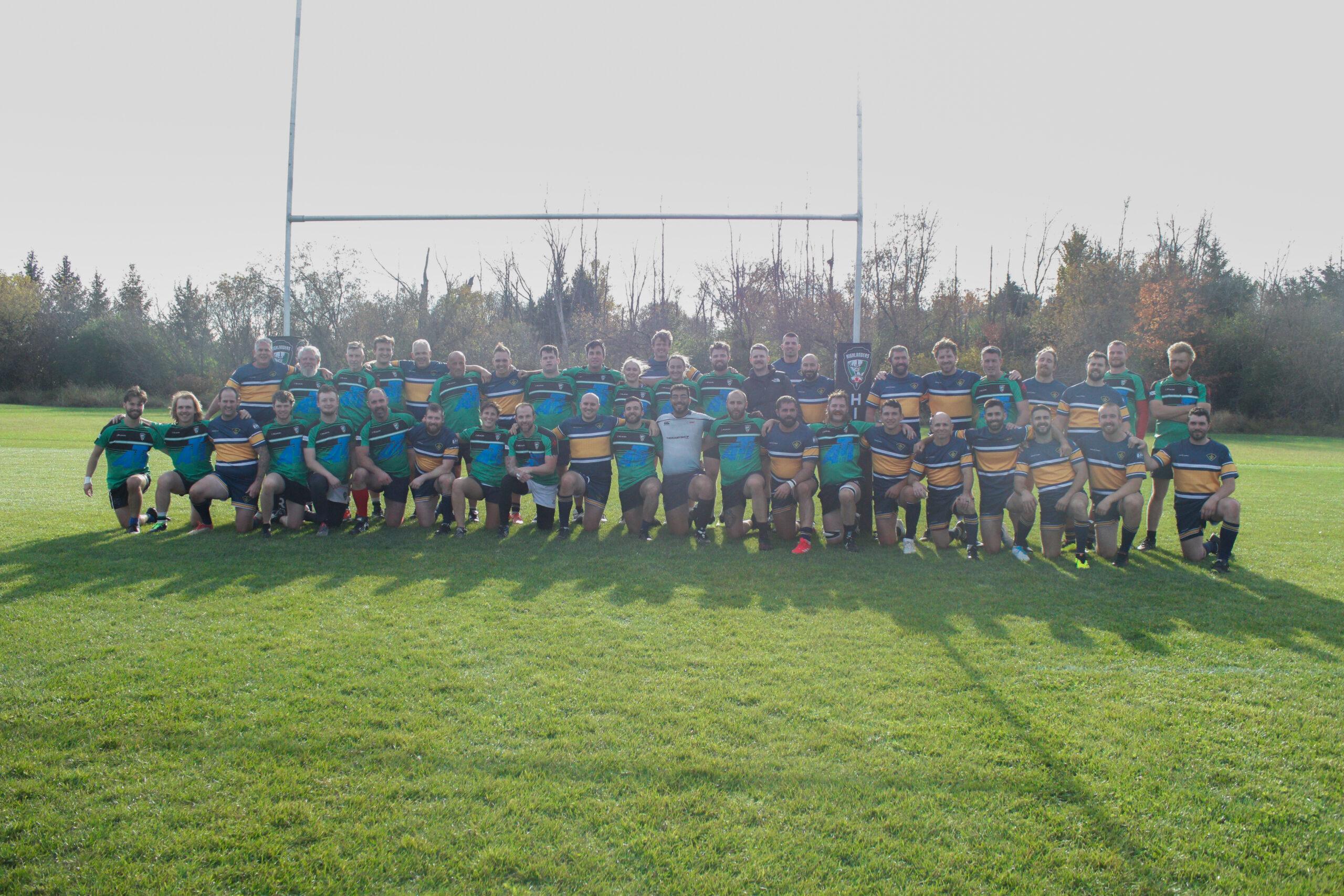
Oakfield Park sits in this last category. The venue is operated by the Lanark Rugby Association, a Canadian not-for-profit. Commercial booking revenue funds youth rugby and leadership programming. The mission is structural to how the operation runs, not a tagline. Read more about how the venue supports the rugby programme.
Activities the venue can credibly host
Most corporate retreat venues outsource activities. A team-building facilitator drives in, runs a session, and drives out. That works, but the activity is decoupled from the venue. It could have happened in any room.
A few venues have native infrastructure for activities that can’t be bolted on. Outdoor sport at a venue with actual playing fields. Wellness programming at a venue with the spaces and instructors on-site. Cooking-focused programming at a venue with a working kitchen and chef.
Native activity infrastructure changes the day in two ways. The transitions are faster — no setup truck, no walk to a separate facility. And the activity has a relationship to the place, which tends to make it stick in people’s memory longer than a generic exercise.
For sport-based programming in particular, the Ottawa region has limited inventory. Most rural venues don’t have credible playing fields. Oakfield Park’s pitches are used as a training facility by Canada Women’s Rugby. For corporate groups, that means an on-site facility built and maintained well above what most venues offer, with room for everything from a flag rugby tournament to a soccer or ultimate frisbee day. See the pitch and field offerings.
Frequently asked questions
What should you look for in a corporate retreat venue near Ottawa?
The five criteria that matter most are distance and accessibility (about an hour from the city, with realistic drive times and parking), whether the venue feels structurally different from a workplace, what infrastructure is on-site (kitchen, bar, AV, indoor and outdoor space), how the space flexes between configurations, and who operates the venue. Activities and mission alignment are secondary filters once the operational basics check out.
How far from Ottawa should a corporate retreat venue be?
About an hour by car is the working benchmark. Closer than 30 minutes and the day struggles to feel like a real off-site. More than 75 minutes and you start losing people to drive time, especially for late arrivals and evening events. The corridor running through Lanark County and the Ottawa Valley sits in this range and offers the strongest inventory.
How long should a corporate retreat last?
Most working retreats are a full day or a day and a half with an overnight. Half-days are useful for small teams or focused planning sessions but rarely deliver the bonding outcome that justifies the cost of an off-site. Multi-day retreats of two to four days are most valuable for executive teams, annual planning, or onboarding cohorts. Venue selection depends on which of these you’re running — a half-day doesn’t need accommodation, a multi-day does.
What’s typically included in a corporate retreat venue rental?
This varies more than most planners expect. A baseline rental usually includes the room, basic AV, and access to washrooms. An all-in rental at a strong venue includes a catering kitchen, an on-site bar, indoor and outdoor space, AV with technical setup support, and a venue contact who runs the day. Always ask what’s included, what’s extra, and what’s not available at all. Surprise line items are how venue rentals run over budget.
What’s the difference between a hotel meeting and a true corporate retreat venue?
A hotel meeting room is a working space inside a building designed for transit and accommodation. A retreat venue is a destination — the space, the surroundings, and the operations are built around the event. The practical difference shows up in how the day feels and how easy it is to keep people engaged. Hotels are efficient when the goal is logistics. Retreat venues are the right call when the goal is connection, planning, or a meaningful break from routine work.
Can a corporate retreat venue handle both a half-day and a multi-day event?
Strong venues can flex between formats, but the real question is whether the space accommodates the activities you have planned, regardless of length. A venue with on-site catering, real outdoor space, and a configurable indoor footprint can run a four-hour leadership session in the morning or a three-day strategic offsite. The constraint is the activities, not the duration.
Related reading
- Corporate boardroom rental near Ottawa: a meeting venue that isn’t a hotel
- Conference venues outside Ottawa: where to host a speaking event
- Social-enterprise corporate retreat venues: why mission alignment matters
Booking a site visit
If you’re evaluating corporate retreat venues near Ottawa, the only reliable way to know whether a venue fits is to walk through it. A site visit takes about forty-five minutes and tells you everything a website cannot: how the room actually feels, where the team would break for lunch, what the outdoor space looks like in your season, and whether the operator’s answers to your real questions match their marketing.