Most conference and speaking event planning in the Ottawa region defaults to one of three options: the Shaw Centre, a downtown hotel ballroom, or a federal-government facility. The shortlists are short, the calendars are full a year out, and the pricing reflects all of that.
Conference venues outside Ottawa solve a different problem: a working speaking event for 50 to 200 people that needs a real stage, good AV, breakout space, and somewhere meaningful to gather afterward. The supply is smaller. The fit, when it works, is usually better than what the downtown options deliver for the same money.
When a venue outside the city makes sense
Conference venues outside Ottawa fit a specific kind of event. Not the 800-person industry conference — downtown handles that better. The events that benefit from rural settings are:
Speaking events and keynotes for 50 to 200 people where the venue is part of the experience
Industry summits where the attendees overlap and would benefit from staying together for the day
Leadership conferences where a portion of the value is the conversation between sessions
Sales kick-offs and annual meetings that work better with outdoor space available for breaks
Half-day or full-day events where the drive out is a feature, not friction
The common thread: events where the room is the point, not just the container. Rural conference venues work for events where the host wants attendees to actually engage with each other and with the content, not check out into their phones during a coffee break.
What a working conference venue needs
The infrastructure list is short but specific.
A main room that holds the full audience in theatre-style seating with sightlines to the stage
A stage or raised platform — even modest — with proper lighting
AV with a large display or projector, a sound system, wireless mics (lavalier and handheld), and someone running the board
Reliable Wi-Fi capable of handling a full audience on devices simultaneously
At least one breakout space for smaller sessions or sponsor meetings
A registration and check-in area at the entrance, with table space and signage room
Catering capacity for the audience — coffee service, lunch, and breaks
Washrooms that can clear an audience in a ten-minute break
Most failures at speaking events come from the AV setup. Underwhelming projection, microphones that crackle, slides that lag the speaker. Always ask to test the AV during a site visit and to meet the person who will run it on the day. Outsourced AV contractors are common; in-house AV teams with knowledge of the room are rarer and worth seeking out.
Keynote setup versus working session
A speaking event might run as a single keynote with audience Q&A, or as a multi-session day with workshops between presentations. The two formats need different things from a venue.
The keynote format needs one large room set up theatre-style with the stage at the front. Lighting matters. Audio matters more. The venue’s role is to disappear so the speaker can land.
The multi-session format needs the main room plus two to four breakout spaces, ideally close enough to the main room that transitions take five minutes rather than fifteen. The flow between rooms matters. The same audience moving between four different rooms over a day generates more logistics friction than most planners account for.
When you tour a venue, walk the audience flow: arrival to registration, registration to main room, main room to breakout, break to coffee, return to main room. If any part of that takes longer than your schedule allows, the day will run late.
Catering, bar, and the evening question
Speaking events that include lunch and end with a reception are common. Both put pressure on the venue’s catering capacity. Off-site catering at a 100-person event involves logistics most planners underestimate — arrival timing, food temperature, plating capacity, staff numbers. On-site kitchens handle this materially better because the team and the food never travel.
The reception at the end of a speaking event is where attendees actually meet each other. A venue with an on-site licensed bar and a space that can flip from theatre setup to social setup quickly is much easier to run than one where the reception happens at a separate location.
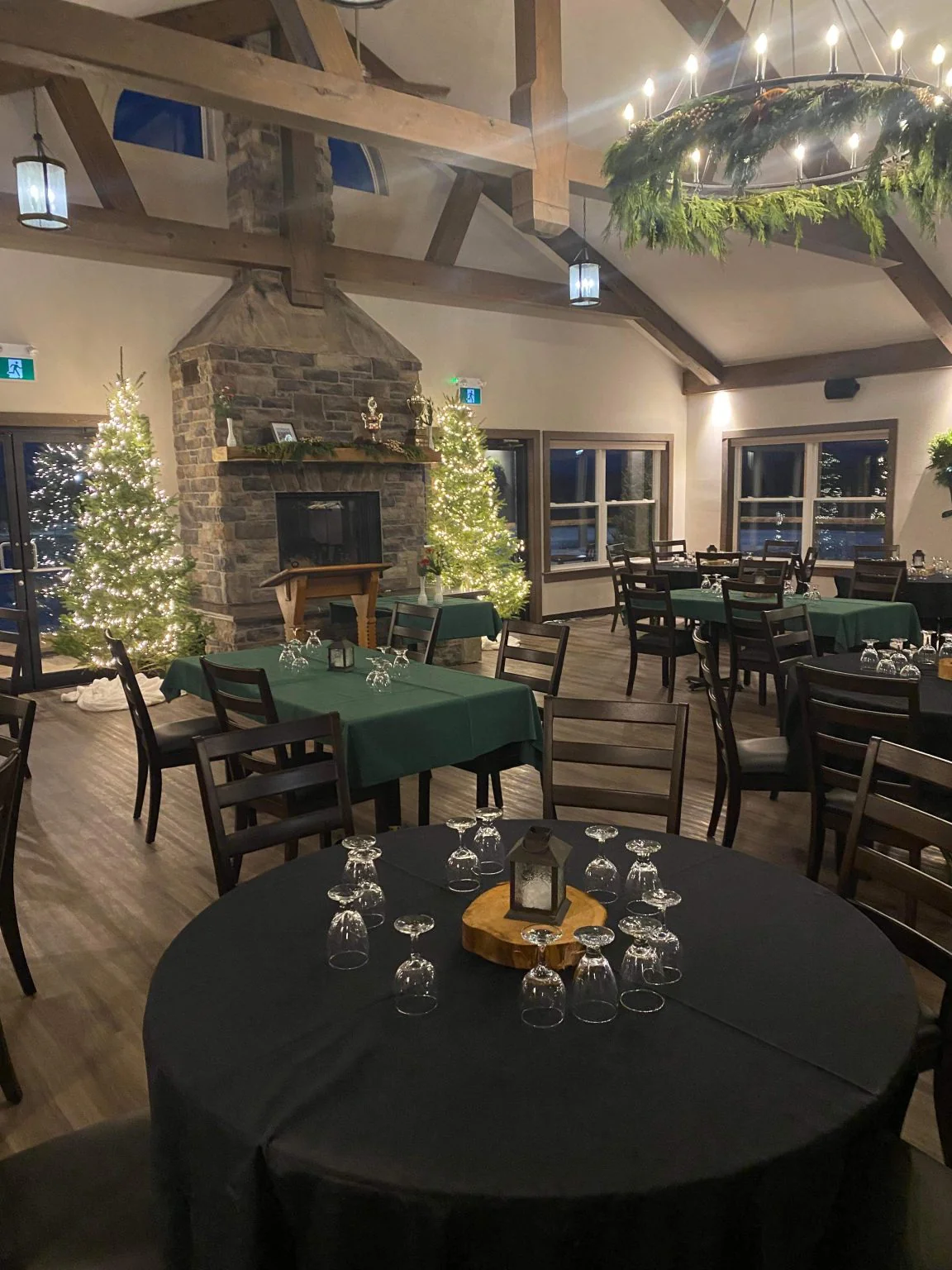
Some venues handle this end-of-day flip explicitly. The theatre seating clears during a final break, the room reconfigures with high-tops and a bar, and the reception happens in the same space without anyone driving anywhere. See corporate event options at Oakfield Park.
Group size and what works at a rural conference venue
Conference venues outside Ottawa typically work well for audiences between 50 and 200 people. Below 50, the venue feels under-used and the per-attendee cost gets high. Above 200, most rural venues hit constraints on parking, washrooms, or main-room capacity.
For larger events, a downtown facility with conference-centre infrastructure is usually the better fit. For events that fall in the 50–200 range and want the venue to be part of the experience, rural options deliver better — same money, different day.
Frequently asked questions
What are the conference venues outside Ottawa for a speaking event?
The Ottawa region has a small set of rural conference and speaking-event venues suited to audiences between 50 and 200 people. These include rural estates, restored heritage properties, and purpose-built venues in the Lanark County and Ottawa Valley corridors. Strong options share the same core features: a main room with stage and AV, at least one breakout space, on-site catering, a licensed bar, and outdoor space available during breaks.
How far outside Ottawa do conference venues sit?
Most rural conference venues with audience capacity in this region sit between 45 and 90 minutes from downtown Ottawa. The corridor running through Lanark County to the south and west, and along the Outaouais to the north, has the strongest inventory. Within that range, an hour is the sweet spot: far enough to feel like an off-site event, close enough that attendees aren’t losing half their day to drive time.
Can a rural venue handle full conference AV requirements?
Yes, when the venue is purpose-built or has invested in proper infrastructure. The questions to confirm: is there a permanent AV setup or is everything brought in for each event, who runs the AV on the day, and is the Wi-Fi capable of handling the full audience on devices simultaneously. Venues that pass all three are reliable. Venues that outsource AV per event vary in execution and are worth more scrutiny.
What does a 100-person speaking event at a rural venue cost?
All-in costs for a full-day speaking event with 100 attendees cover venue, AV, catering, and a reception, and vary widely across this region. Variables include the day of the week (Saturday is more expensive than Wednesday), the meal program, the bar setup, and any technical add-ons like recording or livestreaming. Compare quotes on the full all-in number; itemised quotes hide significant differences between venues.
Booking a venue tour
If you’re evaluating conference venues outside Ottawa for a keynote, summit, or multi-session day, a site visit is the most efficient research move. Walking the audience flow tells you in forty-five minutes what email exchanges take three weeks.
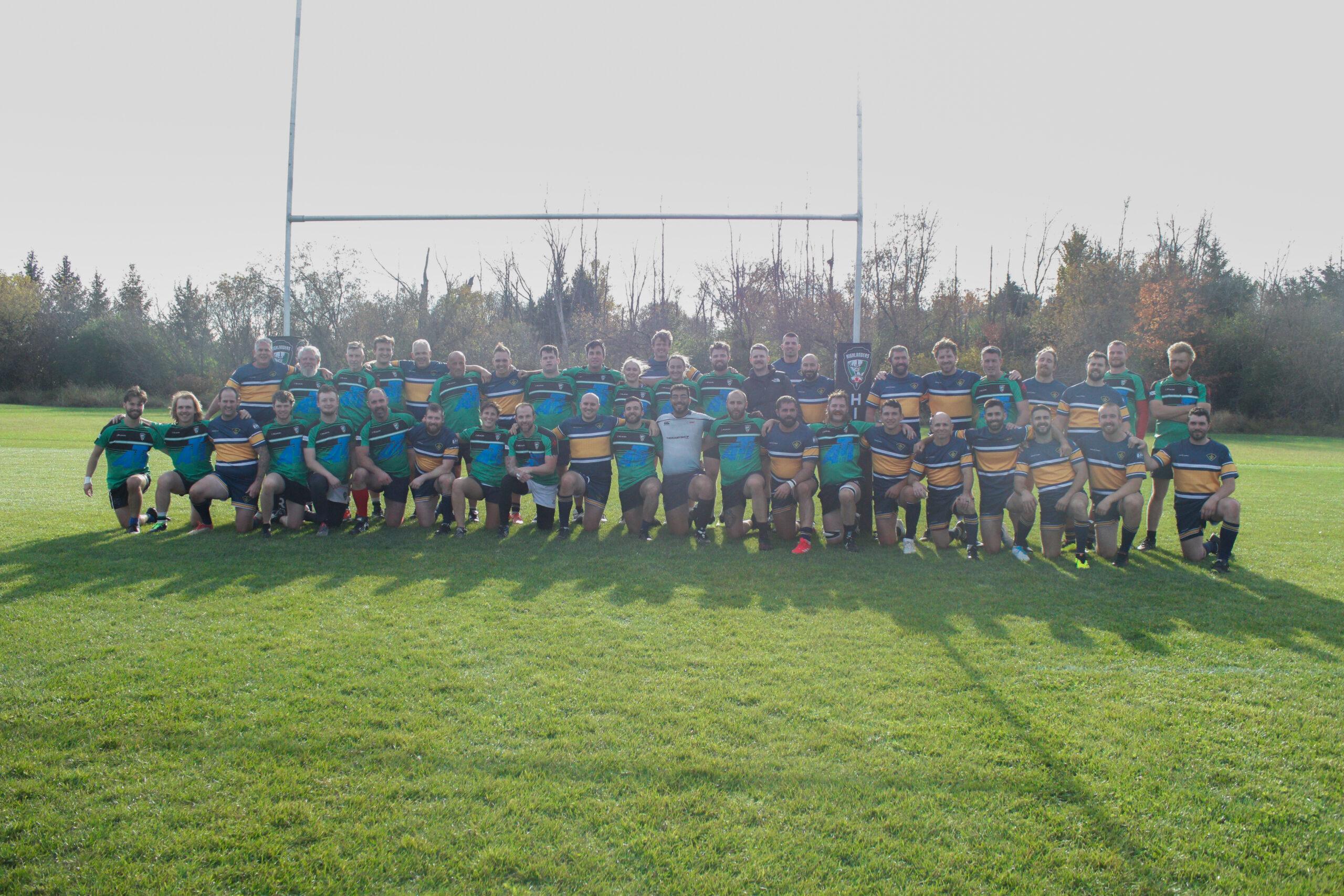
Oakfield Park is a rural event venue and four-pitch rugby ground in Lanark County, about an hour from Ottawa.
It is owned and run by the Lanark Rugby Association, a registered not-for-profit. Every booking funds youth rugby, mentorship, and leadership programming in the county.
Multi-sport field rental near Ottawa for rugby, soccer, flag rugby, and ultimate. How a rugby-grade pitch handles multiple sports and what tournaments need.
Rural celebration venues near Ottawa for milestone birthdays, retirements, anniversaries, and family reunions. What scale, catering, and outdoor flexibility actually need to look like.
To provide the best experiences, we use technologies like cookies to store and/or access device information. Consenting to these technologies will allow us to process data such as browsing behavior or unique IDs on this site. Not consenting or withdrawing consent, may adversely affect certain features and functions.
Functional Always active
The technical storage or access is strictly necessary for the legitimate purpose of enabling the use of a specific service explicitly requested by the subscriber or user, or for the sole purpose of carrying out the transmission of a communication over an electronic communications network.
Preferences
The technical storage or access is necessary for the legitimate purpose of storing preferences that are not requested by the subscriber or user.
Statistics
The technical storage or access that is used exclusively for statistical purposes.The technical storage or access that is used exclusively for anonymous statistical purposes. Without a subpoena, voluntary compliance on the part of your Internet Service Provider, or additional records from a third party, information stored or retrieved for this purpose alone cannot usually be used to identify you.
Marketing
The technical storage or access is required to create user profiles to send advertising, or to track the user on a website or across several websites for similar marketing purposes.